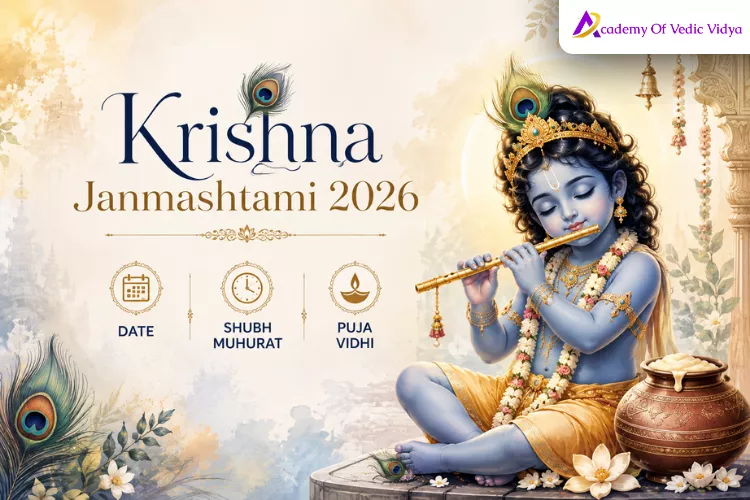
The appearance of Lord Krishna is the most important event of the year for Hindus all over the world. It brings memorizing zeal, an explosion of colors, and strict traditions and spiritual practices. Krishna Janmashtami, or Gokulashtami, Krishnashtami or Janmashtami, is celebrated to commemorate the birth of Lord Vishnu’s eighth avatar. This event occurs in the Bhadrapada month’s dark fortnight (Krishna Paksha). Krishna Janmashtami spans many centuries and captivates people with its mysticism and wisdom and brings traditional home worship to today’s households.
For millions of devotees around the world, Krishna’s birth is not merely a historical event, but rather an opportunity to reclaim and rejuvenate the protective outer world and the inner spiritual world and to regenerate the link to the Supreme Being. Usually, this connection is spiritual, with the chanting of devotional songs in temples, spiritual plays (Rasa Lila), and community building stunts (Dahi Handi). Many also prefer to take advantage of this peaceful opportunity to connect with Krishna by meditating in the peacefulness of the early morning.
Although celebrating this appreciating this day at home brings forth certain doubts for many families. How do families overcome the differences in their calendars when following diverse customs? What astrological calculation is behind midnight worship? What are the steps needed for welcoming, bathing, clothing and taking food before the deity in Vedic custom (Laddu Gopal)?
This is the most authentic, user friendly and comprehensive guide providing a solution for all doubts you may have to celebrate Krishna Janmashtami in 2026. This booklet contains verified calendar details for Krishna Janmashtami 2026, correct Shubh Muhurat, and an exhaustive list of Janmashtami samparai and a step by step guide of Janmashtami vrat katha and puja vidhi.
Meaning & Significance What is Janmashtami and why is it celebrated?
To understand the importance of Janmashtami, we have to go back to the Dvapara Yuga, the last of the three Yuga cycles. The Dvapara Yuga was characterized by declining morality, growing arrogance, and despotism of leaders. These leaders showed no respect for the virtuous and disrupted cosmic balance.
The most important aspect of Janmashtami is the appearance of Krishna,Vishnu, on one of his many descents, as an incarnation to destroy evil, abolish tyrannical autocracy, and protect his devotees, and establish permanent dharma, righteousness. As the Bhagavad Gita states:
“Yada yada hi dharmasya glanir bhavati bharata… Paritranaya sadhunam vinashaya cha dushkritam, dharma-samsthapanarthaya sambhavami yuge yuge.”
(Whenever and wherever there is a decline in religious practice, O descendant of Bharata, and a predominant rise of irreligion-at that time I descend Myself to deliver the pious and annihilate the miscreants.)
The Historic Appearance in the Mathura Prison
The Srimad Bhagavatam and the Vishnu Purana provide illuminating accounts of Lord Krishna’s birth in the Mathura prison. King Kansa, Devaki’s violent brother, had seized the throne from his father, Ugrasena, and ruthlessly ruled the land of Mathura.
Terrified by an ethereal prophecy (Akashvani) warning that Devaki’s eighth son would be his slayer, Kansa systematically murdered the first six children born to the couple. The seventh child, Balarama, was miraculously transferred through divine agency (Yogamaya) to the womb of Rohini in Gokul.
When Vasudeva (Lord Krishna’s father) and Devaki bore their eighth child, the Narayan form of Lord Krishna, adorned with the Gada (mace), Padma (lotus), Chakra (wheel), and Shankha (conch), appeared, and consoled his parents, and then transformed into a new born baby.
Master Vasudeva found himself free of the thick iron shackles. The prison guards fell into a mysterious sleep, and the prison doors opened on their own. Vasudeva carried his baby son in a wicker basket in the torrential rains.
When he reached the Yamuna River in power and fury, the river came to a standstill when Lord Krishna placed His lotus feet on the river. The river was protected by Adishesha (Vishnu’s serpent) who spread his hoods as an umbrella. Vasudeva crossed the river and went to the peaceful village of Gokul. Early in the morning, he replaced Lord Krishna with the newborn girl Yashoda (an other form of Yogamaya) and went back to Mathura.
The Deeper Philosophical Symbolism
Beyond its gripping narrative, Janmashtami carries profound allegorical depth for personal spiritual growth:
- Kansa represents the ego (Ahamkara) and material greed that enslaves human consciousness.
- The Mathura Prison symbolizes the bondage of worldly attachments and sensual entrapment.
- Vasudeva and Devaki represent pure devotion (Bhakti) and steady spiritual discipline (Sadhana), persevering through severe trials.
- The Midnight Birth illustrates that divine illumination and enlightenment appear precisely when the world is plunged into its darkest, most hopeless hour.
- The Crossing of the Yamuna signifies transcending the turbulent ocean of material existence (Samsara) through total surrender to God.
Celebrated unfailingly on the Asht ami tithi of Krishna Paksha, this sacred festival represents the triumph of divine love over fear, spiritual wisdom over ignorance, and humility over tyrannical pride.
Date & Auspicious Timings What is the real date of Janmashtami?
Devotees struggle each year to find the correct date of Janmashtami in 2026. This is because many calendars, newspapers, and regional almanacs (panchangs) show two dates. This is not a mistake. It depends on the Smartha vs. Vaishnava Janmashtami traditions. Both traditions use different historically significant methods of astronomical calculations.
Understanding the Smartha Tradition
Within the Smartha tradition, there are the common householders and followers of Vedic traditions, codified by Adi Shankaracharya, who perform Panchayatana puja (worship multiple forms of divinity) and can celebrate Janmashtami when the Ashtami Tithi is present in the Nishita Kaal or midnight, the exact moment Lord Krishna was born. In this case, if Ashtami Tithi happens to be present at midnight of the day, even if it ends before sunrise, then the Smartha tradition celebrates the festival.
Understanding the Vaishnava Tradition
Vaishnavas are also followers of certain sampradayas (Gaudiya Vaishnavism/ISKCON, Sri Sampradaya, Nimbarka, and Pushtimarg), who worship either Lord Krishna or Lord Vishnu. Along with the Smartha tradition, Vaishnavas also celebrate Janmashtami when the Udaya Tithi is present (the Tithi present at sunrise) and when the Ashtami Tithi and Rohini Nakshatra meet. Therefore, Vaishnavas and many temples celebrate Janmashtami a day after the Smartha community.
Calendar Alignment for Krishna Janmashtami 2026
This year, as per Panchang and other trusted almanacs, the Ashtami Tithi of the Krishna Paksha of Bhadrapada begins on Friday, September 4, 2026, before midnight, and ends with the appearance of midnight on Saturday, September 5, 2026.
Because the crucial midnight hour (Nishita Kaal) falls within the night of September 4 extending into September 5:
- Smartha Observance: Celebrated on Friday, September 4, 2026, with the main midnight fast-breaking and abhishek taking place as the clock strikes twelve.
- Vaishnava & Temple Observance: Many major temples, including ISKCON centers and traditional mathas in Mathura and Vrindavan, observe their grand festivities on Saturday, September 5, 2026, culminating in the post-birth celebration known as Nandotsav on the subsequent day.
- Dahi Handi: In Maharashtra and surrounding regions, the public Gokulashtami date festivities and youth Dahi Handi human pyramids take place on Saturday, September 5, 2026.
Both observances are scripturally legitimate within their respective lineages. Householders typically follow their ancestral family tradition or local community temple almanac.
What are the timings for Janmashtami puja in 2026?
The Nishita Kaal puja is the most important part of the celebration. This special time window, from 45 to 50 minutes after midnight, is believed to be the time of the birth of Lord Krishna. Performing the puja and abhishek at this time is said to bestow immense spiritual merit and divine grace.
Here is the essential astronomical schedule for Janmashtami puja timings 2026 based on Indian Standard Time (IST):
Janmashtami 2026 Shubh Muhurat Chart
| Astrological Event | Date & Day | Time Window (IST) | Significance |
| Ashtami Tithi Begins | Friday, September 4, 2026 | 02:25 AM | Fasting (vrat) begins after morning bath |
| Ashtami Tithi Ends | Saturday, September 5, 2026 | 12:13 AM (Midnight) | Concluding moments of the eighth lunar day |
| Nishita Kaal (Midnight Puja Muhurat) | Friday Night, September 4, 2026 | 11:57 PM to 12:43 AM (Sept 5) | The Most Auspicious Puja Window (Duration: 46 mins) |
| Rohini Nakshatra Begins | Friday, September 4, 2026 | 09:28 AM | Auspicious birth star of Lord Krishna commences |
| Rohini Nakshatra Ends | Saturday, September 5, 2026 | 08:04 AM | Birth star concludes |
| Parana Time (Fast Breaking) | Saturday, September 5, 2026 | After 06:05 AM (Post-Sunrise) | Traditional conclusion of the strict fast |
(Note: Exact muhurat minutes may vary slightly depending on your geographic city coordinates. Devotees outside India should consult their regional Hindu calendar calculated for their local longitude and latitude).
Planning your evening around the midnight puja muhurat (11:57 PM to 12:43 AM) will allow you to perform the baby’s abhishek, adornments, and food offering at the peak time when the spiritual energy is the highest.
Puja Preparation & Materials What are the requirements for a Janmashtami puja?
The night of the celebration is the best time to prepare the materials for puja. The preparation of all the materials for puja will be easy if you have the materials ready before.
The following checklists contain all the requirements for the puja:
Comprehensive Janmashtami Puja Samagri List
1. Abhishek (Bathing) Ingredients
- Panchamrit Components: Raw cow’s milk, fresh unflavored curd, pure desi cow ghee, organic wild honey, and powdered jaggery or khand/sugar.
- Sacred Water: Clean water infused with authentic Gangajal (holy water from the Ganges).
- Aromatic Infusions: Rose water (gulab jal), fresh tulsi leaves, chandan (sandalwood paste), and a pinch of saffron (kesar) strands.
- Bathing Vessels: A clean brass, copper, or silver plate with a raised rim (parat or snan patra), along with a small sacred conch shell (dakshinavarti shankha) used to pour the liquids over the deity.
- Drying Cloth: A soft, clean, unused cotton towel or muslin cloth.
2. Altar & Deity Adornment Essentials
- Altar Cloth: A fresh, unused silk or velvet cloth in auspicious yellow, orange, or royal red to drape over the altar wooden platform (chowki).
- Akshat: Whole, unbroken white rice grains mixed with a pinch of turmeric powder.
- Tilak Materials: Fragrant yellow chandan paste, pure red kumkum, and rolli.
- Sacred Thread: Kalava (sacred red and yellow cotton wrist thread) and Yajnopavita (janeu).
- Floral Offerings: Fresh fragrant flowers (especially white jasmine, marigolds, and lotus), along with a fresh handwoven garland (mala).
- Incense & Illumination: Pure cow ghee for the primary lamp (diya), cotton wicks (batti), camphor tablets (kapoor), brass bell (ghanti), and chemical-free incense sticks (agarbatti).
3. Bhog (Food Offering) Essentials
- Fresh seasonal fruits (bananas, pomegranates, apples, guavas, and seasonal berries).
- Soaked and peeled dry fruits (almonds, cashews, raisins, pistachios, and dry dates).
- Freshly churned unsalted white butter and crystal sugar cubes (makhan mishri).
- Coriander-seed-based sweet prasad (dhaniya panjiri).
- Abundant fresh tulsi leaves (Tulsi Dal), without which Lord Krishna does not accept any offering.
What are the special items for Janmashtami?
The materials required for worshipping Krishna include lamps, flowers, and incense analogues to worship materials used for normal Hindu worship. The worship materials used for Janmashtami include special materials which showcase the devotion of Krishna’s parents.
The key special items for Janmashtami encompass four essential categories:
1. The Laddu Gopal (Bal Gopal) Idol
The main idol used in worship during this time is Bal Gopal or Laddu Gopal. In this idol, Bal Gopal is shown crawling on the floor on his hands and knees and holding a laddu in one of his palms. Bal Gopal is cast in brass or bronze or ashtadhatu, which makes the idol fit to be worshiped by treating him as a beloved child.
2. The Decorated Jhula (Cradle/Swing)
A jhula (swing) for Bal Gopal is a must for decorations at every altar. Decorated with brass or even silver, a jhula is carved out of wood, lined with velvet cushions, and draped with marigold and jasmine. A silk cord is placed between Bal Gopal’s swing for gently rocking the young idol at the stroke of midnight. The jhula is without a doubt, the emotional center of the festival.
3. Royal Emblems: Mor Pankh & Bansuri
- Mor Pankh (Peacock Feather): The crowning glory of Krishna’s attire. The peacock feather represents pristine natural beauty, the transcendence of divine love, and mastery over human passions.
- Bansuri (Flute): The golden or silver flute tucked into his sash symbolizes the divine call of God, awakening the human soul from the slumber of worldly illusion.
- Kundal & Mukut: Small, intricate matching crowns (mukut), dangling earrings, and shimmering pearl necklaces (motimala).
4. Distinctive Signature Bhog Items
Unlike other festivals where grain-based sweets dominate, Janmashtami prasad is dictated by pastoral traditions and strict grain-free fasting codes:
- Fresh Makhan Mishri: Replicating the playful thefts of the infant Lord in Vrindavan, freshly churned homemade butter from cultured cow’s milk is mixed with unrefined rock sugar (mishri) and presented in unglazed earthen clay pots.
- Dhaniya Panjiri: Because grains and cereals are strictly forbidden during the fast, Janmashtami prasad utilizes lightly roasted coriander seed powder (dhaniya) blended with pure desi ghee, crushed dry fruits, grated coconut, and powdered rock sugar. Beyond its religious sanctity, coriander possesses natural digestive and cooling properties that soothe the stomach after a long day of fasting.
- Panchamrit: A nectarous elixir made by combining raw cow’s milk, curd, honey, ghee, and sugar in precise scriptural proportions, symbolizing purity, strength, prosperity, and devotion.
How to start Janmashtami pooja at home?
Beginning your celebration correctly establishes a serene, contemplative mindset for the entire household. Rather than waiting until nightfall, the observance begins the moment you wake up.
Here is how to start Janmashtami pooja at home during the early morning hours:
Step 1: Purificatory Morning Bath (Snan)
Begin your day in the auspicious hours of Brahmamuhurta (between 4:00 AM and 5:30 AM). Cleanse yourself with a bath or shower, making sure to bathe with holy Gangajal and chanting the sacred river mantra.:
“Gange cha Yamune chaiva Godavari Saraswati, Narmade Sindhu Kaveri jalesmin sannidhim kuru.”
(O holy waters of Ganga, Yamuna, Godavari, Saraswati, Narmada, Sindhu, and Kaveri, please sanctify this water.)
Dress in fresh, clean traditional clothes (preferably yellow or saffron).
Step 2: Cleansing the Home and Altar Space
Thoroughly clean your prayer room (mandir) and clean and sweep your living spaces. Wash the wooden platform (chowki) the deities will sit on. Sprinkle Gangajal to clear energy throughout the space.
Decorate the temple threshold, main entrances and devote your artistic efforts to making beautiful mango leaf torans (hangings) and colorful rangoli’s. Strive to make little footprints on the floor leading to the altar from the main entrance to show Krishna’s presence in your home.
Step 3: Taking the Fasting Sankalpa (The Sacred Vow)
A fast observed without an intentional vow remains merely physical starvation. To make it a true spiritual austerity (Vrata), perform your Janmashtami fasting sankalpa before your morning altar lamp.
- Sit peacefully facing East or North on a clean wool or grass mat (kushasana).
- Light a pure ghee lamp (diya) and an incense stick.
- Take a small spoonful of water in your right palm using a copper spoon (achamaniya), along with a few grains of akshat (unbroken rice), a tiny flower petal, and a coin.
- Close your eyes, concentrate upon Lord Krishna, and mentally recite your resolve:
“Mamakhila-papa-prashamana-purvaka, Sri Krishna-priti-kamana-hetor, Janmashtami Vratam Aham Karishye.”
(To cleanse all my transgressions and to earn the supreme love and grace of Lord Sri Krishna, I consciously undertake this Janmashtami Vrata.)
- Clearly state whether you are undertaking a strict waterless fast (Nirjala Vrat) or a light, fruit-and-water-based fast (Phalahari Vrat), taking into account your health and physical capabilities.
- Gently drop the water, rice, and flower onto the ground before the altar onto a small brass plate, bowing with folded hands.
Avoid undertaking any mundane arguments, gossip at work, and excessive television or social media. Use this time to read your chapters of the Bhagavad Gita, listening to bhajans of Krishna, or singing the Hare Krishna Maha Mantra:
“Hare Krishna, Hare Krishna, Krishna Krishna, Hare Hare
Hare Rama, Hare Rama, Rama Rama, Hare Hare”
Janmashtami Rituals, Dress Code & Fasting Guidelines
Vedic worship utilizes colors with specific vibrational frequencies to impact both a worshipper’s psychological state and spiritual receptivity in a variety of ways. Wearing harmonizing colors at worship events expresses appreciation for the energy of the day.
The Most Auspicious Colors
- Pitambari Yellow: Without a doubt, yellow is the best color to wear on Janmashtami. Lord Krishna is mentioned in several scriptures as Pitambara Dhari- the one who wears golden yellow silk. Yellow signifies divine wisdom, spiritual illumination, inner peace, and joy. Wearing yellow is aligning your consciousness with Krishna’s favorite color.
- Peacock Green (Mayur Pankhi Rang): The green peacock signifies life and natural harmony with its beauty and love
- Saffron and Deep Orange: yellow saffron are the colors of renunciation, devotion, courage, and the Vedic sacred fires.
- Pure White or Cream: Creamy off-white silks reflect purity, peace (Sattva), and calm surrender.
Colors You Must Strictly Avoid
- Black: Black is considered a dark, inauspicious color, associated with black sorrow and the Tamasic quality. Black is to be avoided on Janmashtami during the worship, fasting, and temple visits.
- Dark Dull Grey or Drab Brown: Earthy, dull, lifeless tones are generally avoided in favor of bright, celebratory festive colors.
Dress Code Etiquette
Traditional Indian wear in cotton or natural silk must be worn for this celebration. Men must wear the kurta-pyjama and women must wear saris. No leather belts and leather footwear must be worn.
What not to do on Krishna Janmashtami?
The eastern wisdom tradition embraces the harmony between the acts of worship and the restraint of personal passions. Spirituality is a balance of worship and a discipline of restraint:
Essential Prohibitions Checklist
- Never pluck Tulsi leaves on Janmashtami day: Harvest them a day in advance.
- No grains, pulses, or cereals during the fast: Strictly avoid wheat, rice, corn, oats, and lentils.
- Eliminate all non-vegetarian items and allium bulbs: Ensure no meat, fish, eggs, onions, or garlic enter the home.
- Do not use processed table salt: Use pure Himalayan pink rock salt (Sendha Namak) exclusively for fasting dishes.
- Never leave the infant deity unattended or unfed: Maintain regular morning and evening offerings.
- Refrain from discord and negative speech: Avoid anger, domestic arguments, gossip, and harsh language.
- Avoid daytime sleep during the fast: Spend waking hours in prayer, scriptural reading, or quiet reflection.
- Never offer stale or Tulsi-less food as Bhog: All offerings must be freshly made and sanctified with a sacred leaf.
1. Do Not Pluck Tulsi Leaves on the Day of the Festival
Tulsi Devi is considered an exalted devotee of the Lord. Leaf plucking on festivals or Sundays, or after sunset are considered disrupted spiritual activities. Be sure to replenish your leaf requirement either the day prior or by gathering naturally fallen leaves. Give them a gentle wash before offering them to the Lord.
2. Avoid Grains, Cereals, and Pulses
Vedic tradition on Janmashtami mandates abstinence from Ann (grains) consumption. This mostly prohibits the consumption of grains such as wheat, barley, oats, corns, pulses or rice. Fast observers can abstain from a complete fast, and consume food made up from all the other ingredients mentioned here.
3. Eliminate Tamasic Foods from the Household
Non-grain fasting flours such as buckwheat (kuttu ka atta), water chestnut (singhare ka atta), and amaranth (rajgira), can be consumed in a Phalahar (partial) fast. For fasting members of the family who are not strictly fasting, the kitchen should be devoid of meat, poultry, fish, eggs, alcohol, tobacco, onions, and garlic. The meal preparations should be Sattvic in nature, meaning food should be prepared with cleanliness and love.
4. Replace Common Table Salt with Rock Salt
Regular table salt should not be used. Instead, the Himalayan pink rock salt should be used for preparing fasting snacks.
5. Do Not Neglect or Mistreat Laddu Gopal
Considering the laddu gopal idol to be your family member, the god should be treated with the same respect. He should be offered hot meals, should not be placed on the cold floor, and should be bathed daily. He should not be left in the dark.
6. Guard Your Mind and Speech
Fasting is a purification for the mind and senses. Shouting, swearing, taking part in arguments, telling lies, and harboring jealousy destroy the spiritual gains of vrata. Keep yourself cool and calm throughout the day.
Why is Tulsi leaf compulsory in Krishna Bhog?
Within the Gaudiya and Vaishnava philosophies, Tulsi is not a simple plant. She expands to be Vrindavani, one of Srimati Radharani’s associates, who is an eternal devotee of the Supreme Lord.
There is an illuminating anecdote in the Padma Purana about Queen Satyabhama who tried to put a balance against Lord Krishna. She weighed him against a mountain of gold, a mountain of silver, diamonds, and a mountain of her clan’s heirlooms. The balance remained on Krishna’s side, showing no need for wealth. The balance tipped in favor of all wealth only when Rukmini placed a single green Tulsi leaf of devotion on the scale.
All of this goes to show that the Supreme is not begging to be bought by opulence, pride, or arrogance. He is only seeking love. In a true sense, the Tulsi leaf embodies true humility and true devotion. So, it is an ancient practice that Lord Krishna will not take food offered to him without the Tulsi leaf and will consider that food offering as not made.
Quick Reference Calendar Table
| Observance / Event | Canonical Date / Timing (IST) |
| Main Festival Date (Smartha) | Friday, September 4, 2026 |
| Temple & Vaishnava Observance | Saturday, September 5, 2026 |
| Dahi Handi & Nandotsav | Saturday, September 5, 2026 |
| Ashtami Tithi Window | 02:25 AM (Sept 4) to 12:13 AM (Sept 5) |
| Rohini Nakshatra Window | 09:28 AM (Sept 4) to 08:04 AM (Sept 5) |
| Nishita Kaal Puja Muhurat | 11:57 PM (Sept 4) to 12:43 AM (Sept 5) |
| Standard Parana Window | Post 06:05 AM (Saturday, Sept 5, 2026) |
Conclusion
Janmashtami engages with the idea of the divine being accessible. The Upanisads and other Vedic texts state the Supreme Being is infinite, all-pervading, and beyond comprehension. Janmashtami is the opposite. Janmashtami sees the Supreme Being as a darling infant who needs nothing but love and comes to us as a guest to our homes.
As you prepare your home for Janmashtami 2026, keep in mind the days of Janmashtami, the assembly of the puja items, and the discipline to keep the fast, and while those things are indeed important, the true signifigance of the day is Bhava. Your altar may have an intricate floral design or a single idol. The Lord doesn’t care if you offer him fifty six royal dishes or one pot of makhan mishri with a single tulasi leaf. Lord Krishna sees the hearts surrender.
I wish you a day of great spiritual wealth, where past worries and anxieties vanish forever and your family is unified as one. May this day bring you the divine grace of Krishna.
Hare Krishna, Hare Krishna, Krishna Krishna, Hare Hare
Hare Rama, Hare Rama, Rama Rama, Hare Hare