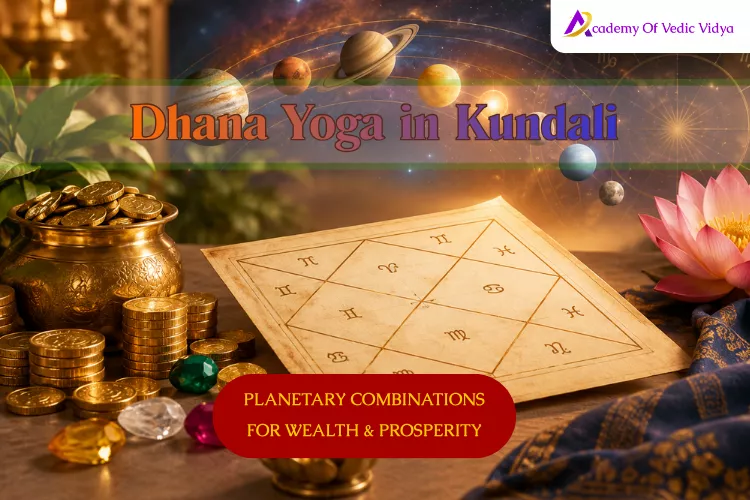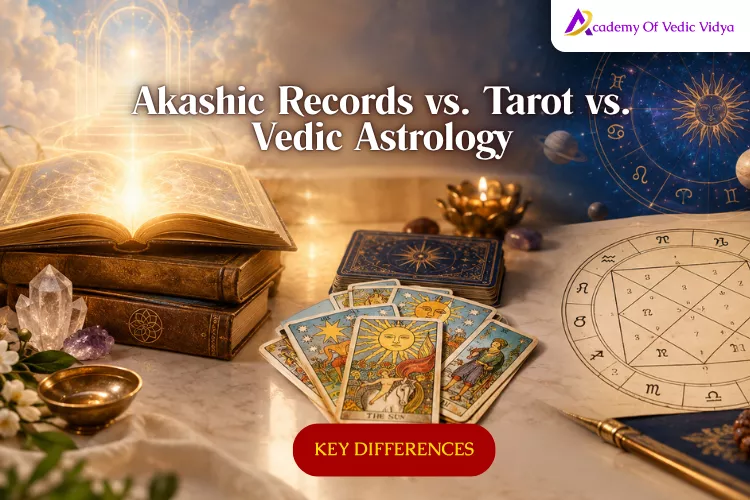
Jyotish Shastra, more commonly known as Vedic Astrology, is a traditional Hindu astrology that gives insights into other persons through analysis of planetary positions, signs and houses. Life is believed to be influenced by the movements of celestial bodies and Vedic astrology gives predictions on the strengths and weaknesses of an individual as well as offering insight into his/her future and the reasons for the frustrations and issues in his/her life. Vedic Astrology differs from western astrology in a number of aspects.
How to Learn Jyotish Systematically
Before jumping into predictions, it helps to learn Jyotish systematically rather than picking up random concepts from videos and forums. A student of Vedic astrology has to create a framework to which he can later add other elements of this scripture. The order of the elements is important and no alternative should be used. According to the teacher, the biggest mistake a person can make is to predict immediately without creating the necessary framework and elements. As a result, the person will only work by guesswork and will not be able to interpret the horoscope correctly.
Do You Need a Structured Course?
Books and YouTube videos are useful to familiarize you with the language of Jyotish. However, there are more advanced and obscure concepts of Jyotish that self-study usually does not cover, including the calculation of horoscopes and Jyotish dimensions involving remedial measures. For these reasons, a student of Jyotish eventually seeks out formal training. If you want mentorship and a fixed curriculum instead of piecing things together yourself, an online Vedic astrology diploma gives you that structure from day one, with a mentor to correct your chart-reading mistakes early.
What a Structured Path Actually Covers
Self-study of Jyotish eventually requires help from an established training, but it is useful to recognize the essential components of an appropriate training to evaluate if a course is offering a sufficient scope or is superficial. A well-designed Vedic astrology course syllabus typically moves from basic astronomy and planetary relationships all the way to nakshatras, divisional charts, and live consultation practice – which is essentially the roadmap below, taught with structure and feedback.
The 7-Step Beginner Roadmap
Here’s the roadmap, step by step:
1. Understand Jyotish’s Basic Framework Learn the three pillars – Grahas (planets, the actors), Rashis (signs, the qualities), and Bhavas (houses, the stage). Understanding how these three influence each other is the foundation for learning everything else.
2. Study Graha, Rashi aur Bhava in Depth Take time to study the essentials in greater detail. For example, understand the domains and expressions of each planet. Identify the domains and expressions of the 12 signs of the Zodiac. Lastly, appreciate the 12 divisions of the house system and the domains they represent.
3. Practice Kundli Reading Once you start studying real horoscopes, you can better understand how the theories work. Invest the time and effort needed to study the essentials and relate your findings with the traits you observe in yourself and others. Working with your birth chart first is always a good place to start.
4. Learn Dashas and Gochar (Transits) The Vimshottari Dasha system determines the expected major turning points in one’s life. Gochar, on the other hand, describes how the transits of the planets impact a given birth chart. Understanding the timing of events is really the difference between someone casually practicing astrology and someone who can actually practice prediction.
5. Analyse Case Studies Next, study as many real charts as you can. The outcome of a chart can vary depending on how it is interpreted, and interpreting charts can really help one understand the art and science of astrology.
6. Get Mentor Feedback Self-taught interpretation can drift into confirmation bias without anyone to correct it. Regular feedback from an experienced astrologer on your chart readings is what catches blind spots early, before they become habits.
7. Practice Ethical Consultation Astrology is a multi-faceted art and science, and the responsibility of the practitioner is to use their skills in the right manner for the benefit of the client, and not to use it in a malicious manner to instill fear in the client. This is what really separates a good and a bad astrologer.
Common Mistakes to Avoid Along the Way
- Jumping to predictions before the basics are solid
- Skipping the dasha/timing system and relying only on placements
- Using astrology to create fear rather than clarity
- Believing every claim blindly without cross-checking against real chart practice
If you’d like a deeper dive into how planetary placements connect to remedial measures like gemstones, our guide on Navratna gemstones and their planetary significance is a good next read
How Long Does It Take?
- Basic Level: 3–6 months
- Intermediate: 1–2 years
- Advanced: Lifelong learning
Even experienced astrologers continue to learn throughout their lives. And yes, you can start learning astrology even if you don’t know Sanskrit. Because currently, most of the good books, articles, and online resources for learning astrology are available in English.
Conclusion
You can learn the basics by studying or learning a subject on your own, without a teacher or institutional help, but a well-organized and mentor-led path turns this plan of action into a real skill that you can rely on and use. Explore our Vedic Astrology Course and Learn techniques for understanding planetary influences, reading horoscopes, and predicting the future with personalized advice.
For further information, feel free to contact us at: (+91) 7439041439.